|
1. Pollinator’s daydream
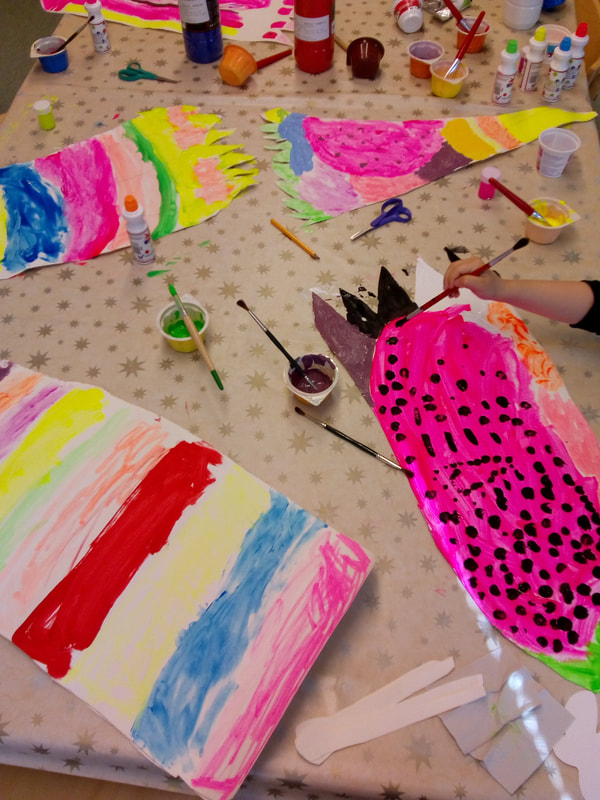
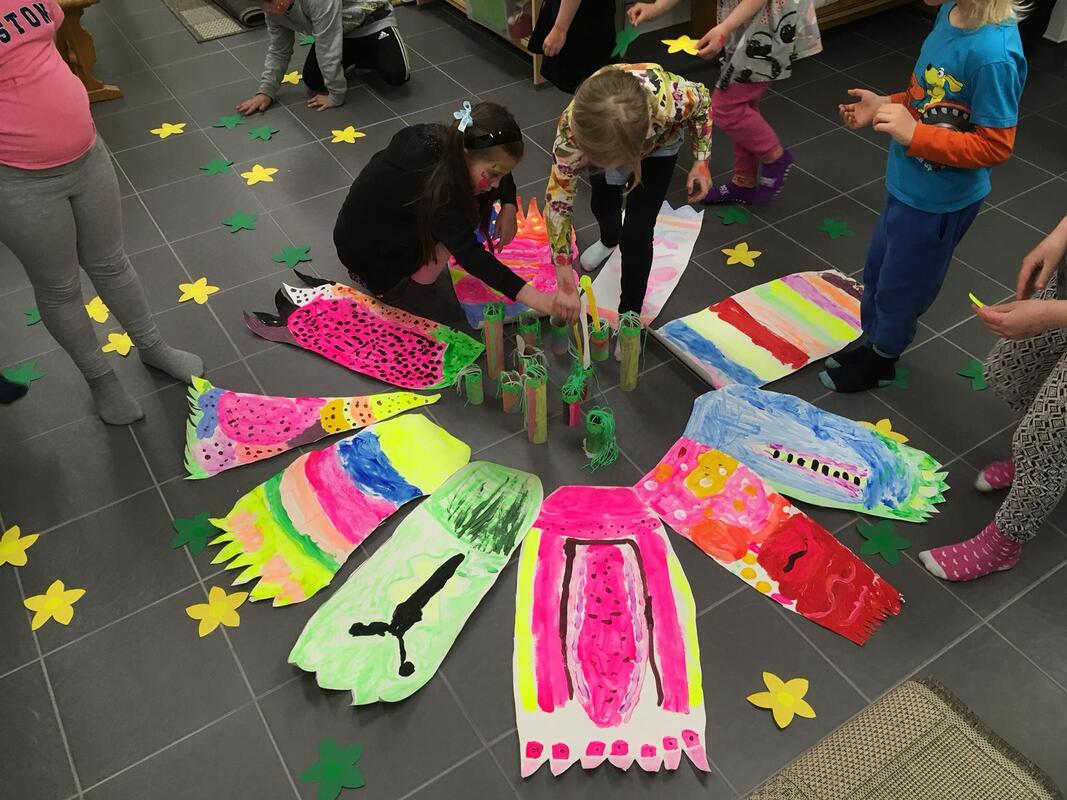
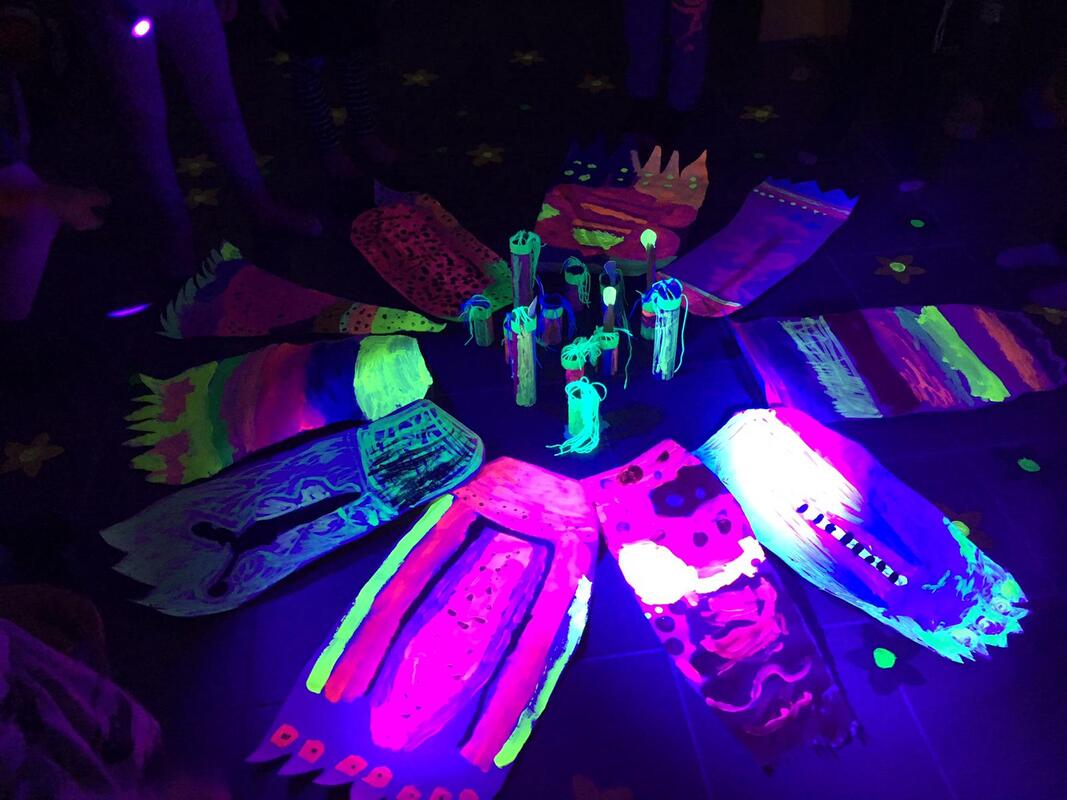
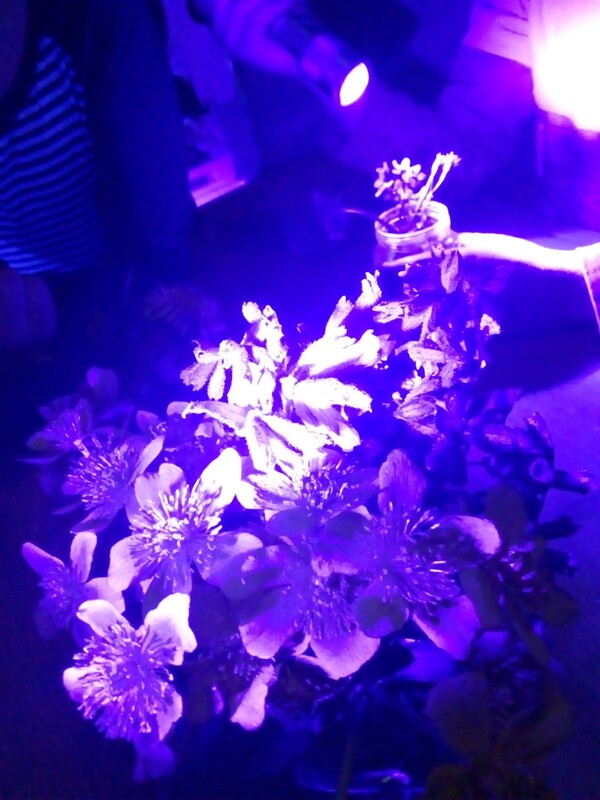
creating a collective flower Have you been thinking how the world would look like if you would look at from some other humanbeing's perspective? Probably you would see things bit differently, but still the world would seem pretty much familiar. But what if you were to look it through pollinator's eyes? Things would be really different then. Because of extra wavelength, the ultraviolet light, that pollinators can see and we humans cannot, they perceive a complete different reality. We can only imagine how it is like! Luckily we have ultraviolet light bulbs to give us a little glimpse of this fascinating world. This exercise is best suitable for younger participants, but can be modified for other age groups too e.g. by changing art working technique, or going deeper into the scientific information and meaning of the flowering plants. – – – – – – – – – Task is to make a collective flower with group, imagined through pollinators eyes. Each participant will get a big piece of paper or cardboard (at least A3 size, bigger is better!) and liquid paints, basic and UV-reflective, or any other colours available. Materials for the flower:
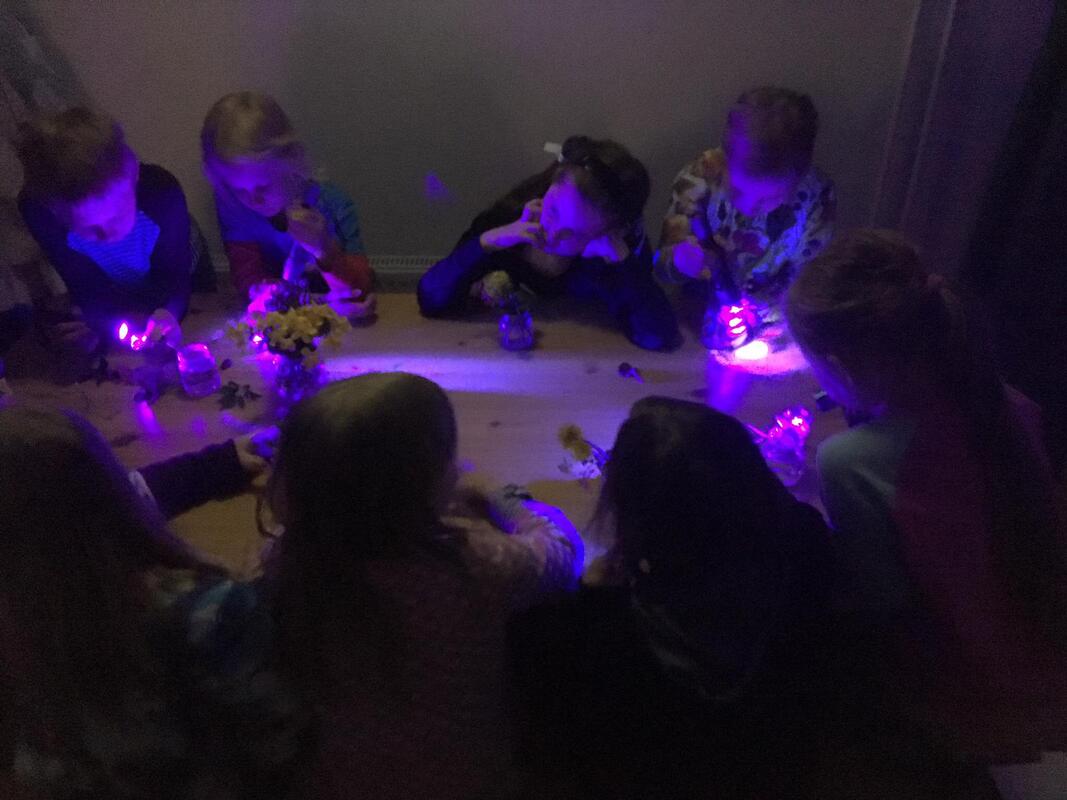
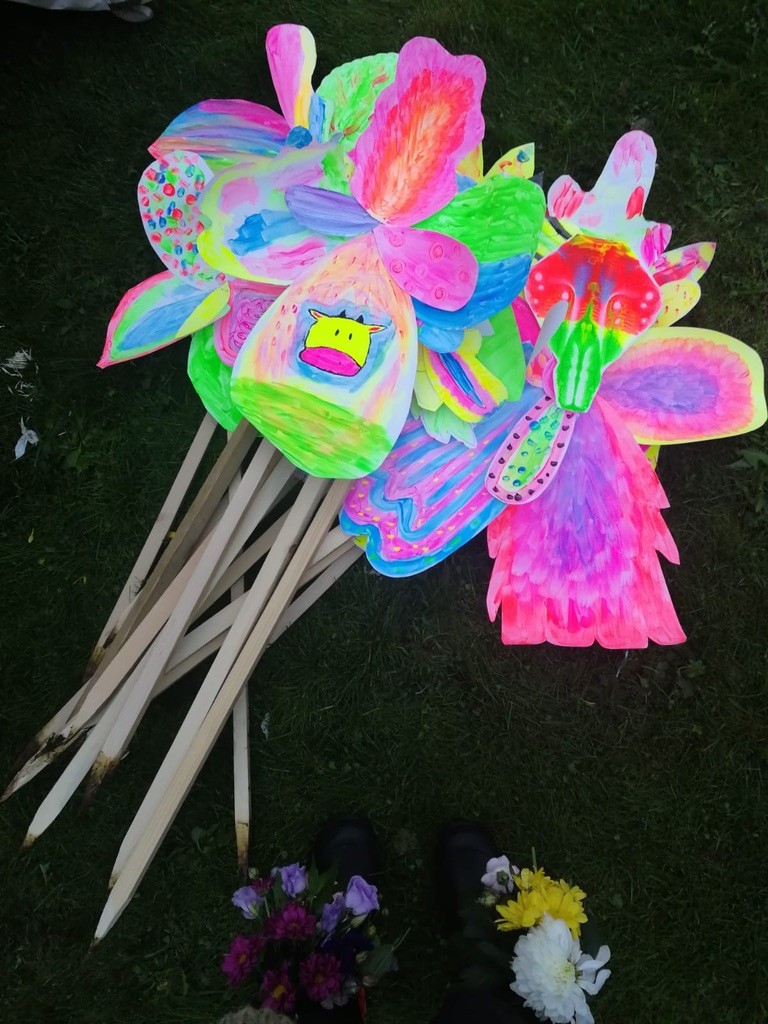
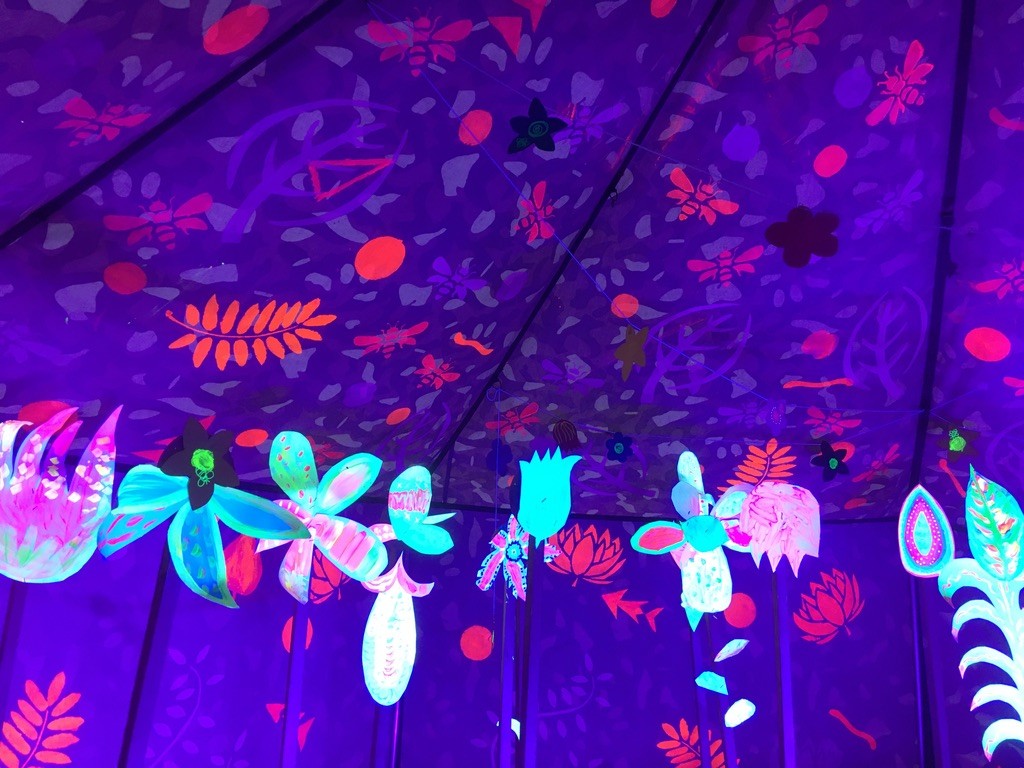
+ for extra task (if time): Toilet paper roll cartridges, yarn, tape. UV-reflecting face paints. Other things needed: UV-torches (one or many), a classroom that can be made dark / dim for the UV-light. – – – – – – – – – – Task for participants: What kind of a flower petal would you like to make for pollinator? Sketch and cut out the desired shape of the leaf. Paint and draw it's own pattern and colour that shines under the black light. It's good to have at least 30 mins to 1,5 hours for the task, depending on age of the participants. When the petals are ready, the participants will gather them into big circle, forming a collective flower. The lights will be switched off now and the space can be explored through bee's vision, using the UV-torches. What kind of a flower took form? What kind of pollinators would it attract? How would they react to this new flower species? Does it have a name? Extra tasks if there is more time to spend, and for the ones who work fast: (especially with younger participants) * You can come up with games to play in the pollinator world, and explore the ways pollinators would communicate. We have used UV-face paints and danced a bee waggle dance around the flowers to get immersed in the world of these flying creatures. * You can also create the centre of the flower, using painted toilet paper roll cartridges, tape and yarn. Attach pieces of the yarn on the tape, and roll it around the cartridge to create pointy shapes for the stamen. |
|
|

|
– – – – – – – – – –
Our materials are licensed under the Creative Commons Attribution-ShareAlike 4.0 International License: http://creativecommons.org/licenses/by-sa/4.0/. It means you can use our materials freely, but please remember to always credit our work and mention us whenever you are sharing contents of our project online: Instagram: @evolution_in_action, Facebook: @evoluutiopajat, Twitter: @EvoWorkshops. If you use our materials in teaching, we are happy to hear greetings and feedback. You can tag us on social media or send us an email: [email protected] Evolution in Action logo: jpeg, eps |